

GeoAI with Python: A Practical Guide to Open-Source Geospatial AI
Product details
| Management number | 220024383 | Release Date | 2026/05/03 | List Price | $15.98 | Model Number | 220024383 | ||
|---|---|---|---|---|---|---|---|---|---|
| Category | |||||||||
Learn to apply deep learning and AI to satellite imagery, aerial photos, and geospatial data using Python. This practical, hands-on guide walks you from downloading remote sensing data to training and evaluating deep learning models, all using open-source tools.What you’ll learnSet up a complete GeoAI environment with Python, PyTorch, and GPU acceleration.Download satellite imagery from Microsoft Planetary Computer and open data portals.Create interactive maps and prepare training datasets from large satellite images.Train and evaluate models for seven core geospatial AI tasks: image recognition, object detection, semantic segmentation, instance segmentation, image translation, change detection, and pixel-level regression.Apply foundation models, including the Segment Anything Model (SAM), vision-language models, and satellite embeddings, to real-world Earth observation problems.Run AI workflows in QGIS without writing code using plugins for tree segmentation, water detection, and more.Structure and format23 chapters of executable code examples organized in five parts: Foundations, Data Acquisition and Preparation, Core AI Tasks, Foundation Models, and QGIS Plugins.All examples use real satellite imagery with PyTorch, torchgeo, segment-geospatial, leafmap, and geoai.All code and datasets are freely available on GitHub and Source Cooperative for full reproducibility.Who it’s forGIS professionals, remote sensing scientists, data scientists, and students who want to apply AI to geospatial data using Python and open-source tools. Read more
Bestseller ranking
Remote Sensing & GIS



Customers who viewed this product also viewed
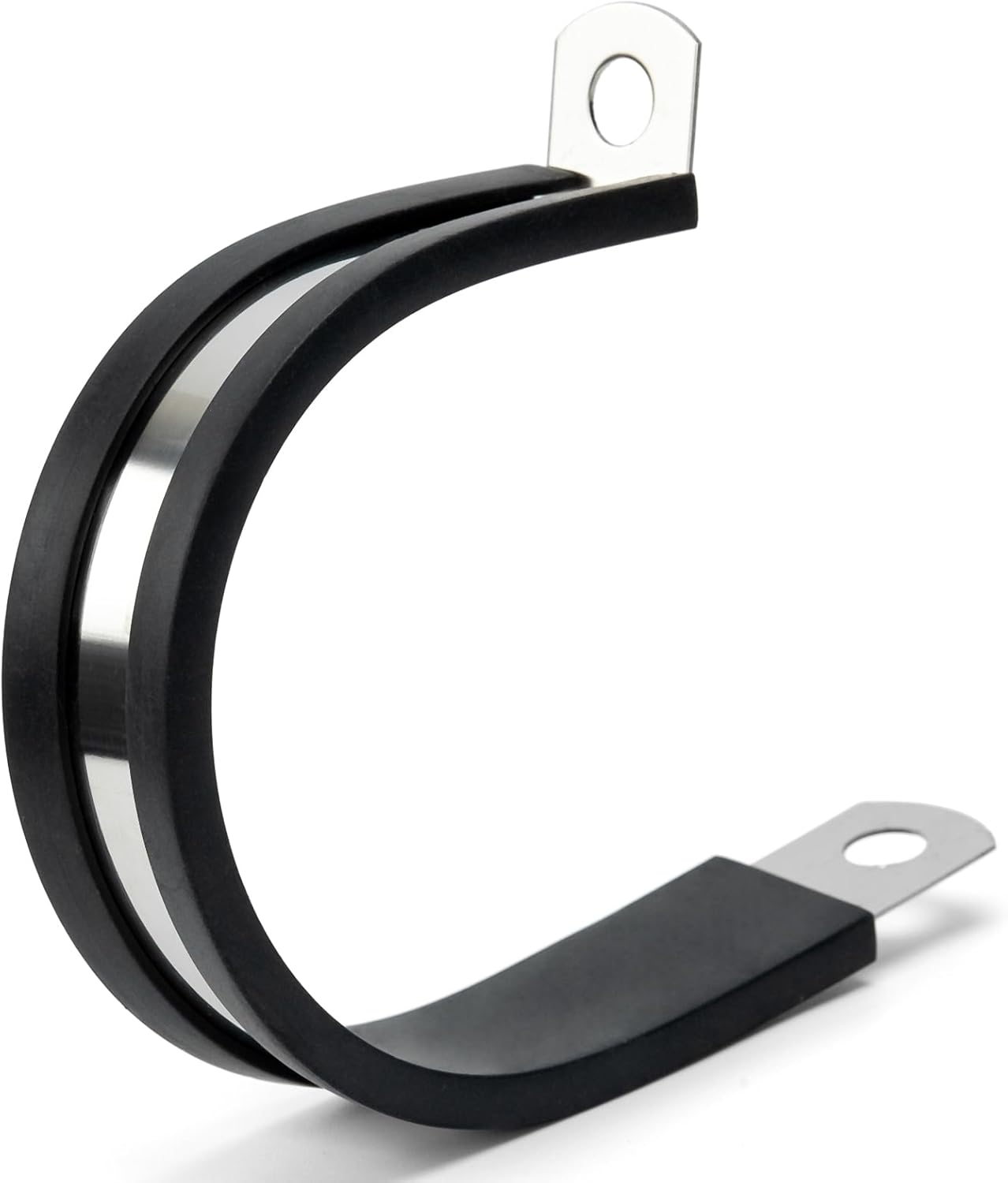
Pipe Clamps



Correction of product information
If you notice any omissions or errors in the product information on this page, please use the correction request form below.
Correction Request Form